How Austrian Poker Regulations Influence Tournament Formats and Club Management in Vienna
Geschrieben von Cameron Friedrich · 23.8.2026
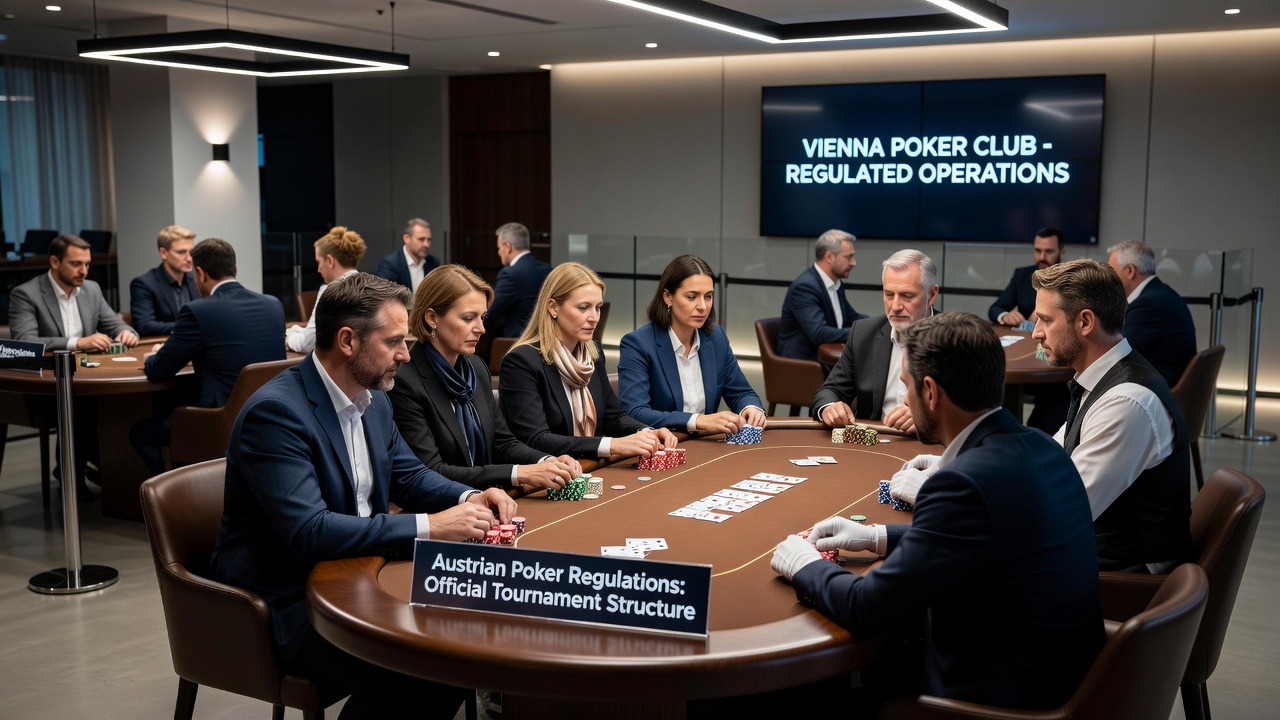
How Austrian Poker Regulations Influence Tournament Formats and Club Management in Vienna
Austrian gambling legislation establishes clear parameters for poker activities across Vienna, where the Glücksspielgesetz and related provincial rules dictate licensing requirements, player protections, and operational boundaries for both public and private venues. These frameworks require clubs to secure specific permits before hosting cash games or tournaments, while federal oversight from the Ministry of Finance monitors compliance through regular audits and reporting obligations. Tournament directors in the city adjust structures accordingly, incorporating mandatory blind level intervals, maximum player capacities, and prize pool distribution formulas that align with legal caps on entry fees and administrative deductions.
Core Regulatory Provisions Governing Vienna Poker
National statutes limit the number of licensed poker rooms in each district, which forces operators to coordinate schedules and avoid overlapping events that might strain enforcement resources. Age verification systems must integrate with national identity databases, and clubs maintain detailed logs of participant information for at least five years under anti-money laundering statutes. Data from the Austrian Federal Ministry of Finance shows that annual compliance filings have increased steadily since 2018, reflecting expanded digital tracking requirements. Clubs also adhere to strict rules on promotional materials, ensuring advertisements do not target minors or promise unrealistic outcomes.
Effects on Tournament Structures and Scheduling
Regulations shape buy-in amounts, re-entry policies, and payout percentages in Vienna events, often requiring organizers to cap rebuys at three per player and allocate at least 70 percent of the pool to prizes. Blind structures follow standardized progressions that prevent excessively rapid escalations, while minimum guaranteed prize pools receive approval only after financial guarantees are deposited with authorities. August 2026 marks the implementation date for updated provincial guidelines on multi-table tournament formats, which will standardize clock management and dealer rotation protocols across all licensed venues. Observers note that these changes build on earlier adjustments from 2022 that introduced mandatory breaks every two hours to address player welfare standards.
Operational Adjustments for Licensed Clubs
Club managers allocate significant resources to staff training programs that cover both gaming procedures and regulatory updates, since violations can trigger temporary closures or license reviews. Security protocols include on-site surveillance systems linked directly to central monitoring stations, and venues conduct monthly internal reviews to document adherence to chip handling and cash transaction thresholds. Research from the Canadian Gaming Association indicates that similar European licensing models produce measurable reductions in unauthorized side betting when enforcement remains consistent. Vienna establishments therefore invest in integrated software that flags unusual betting patterns in real time, allowing immediate reporting to oversight bodies.
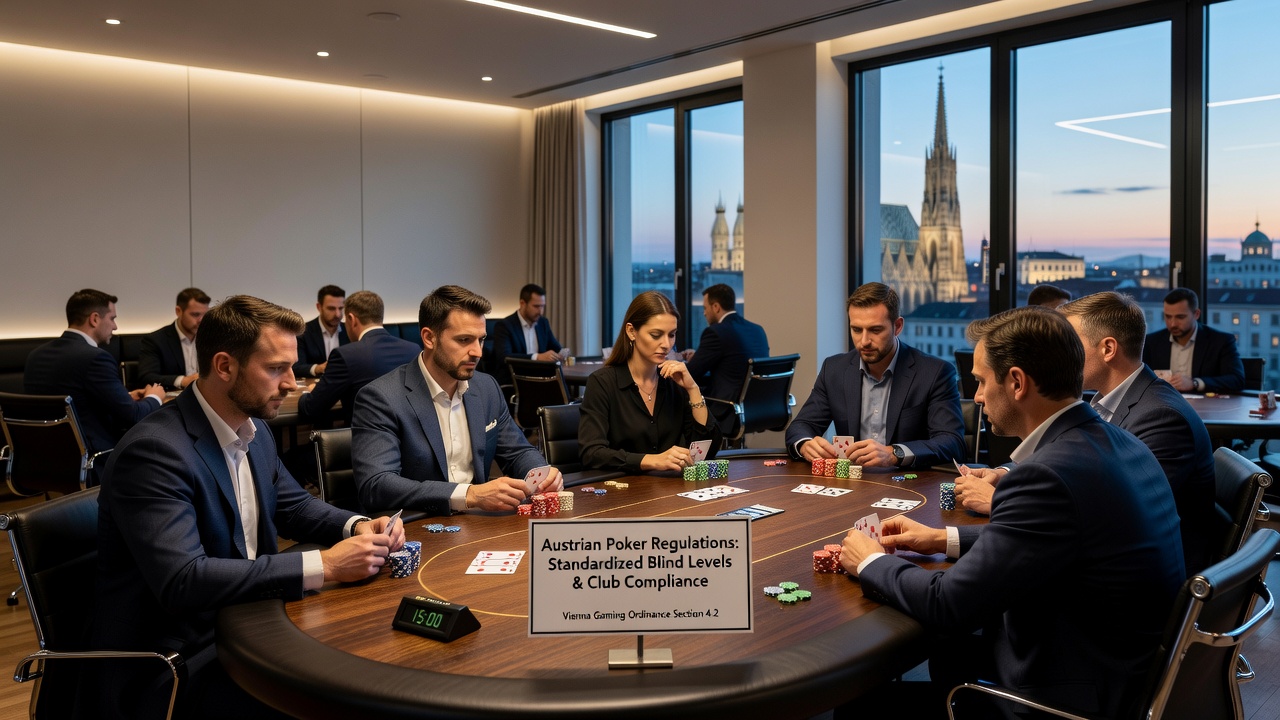
Interactions Between Federal Rules and Local Practices
Provincial authorities in Vienna retain flexibility to impose additional restrictions on operating hours and maximum table counts, creating a layered system that clubs navigate through regular consultations with both national and city-level regulators. Tournament series coordinators submit detailed event calendars months in advance, incorporating buffer periods that accommodate potential audits. Figures from the Australian Gambling Research Centre reveal that jurisdictions with comparable dual oversight structures experience fewer disputes over prize allocations when transparent reporting mechanisms exist. Local operators therefore maintain public dashboards displaying historical payout data and compliance metrics for each completed event.
Emerging Developments and Compliance Trends
Digital record-keeping mandates continue to evolve, with upcoming requirements set to expand electronic submission of player participation statistics beginning in late 2026. Training partnerships between clubs and regulatory agencies have expanded, providing standardized certification courses that cover emerging issues such as cryptocurrency transaction monitoring. Those who study regulatory patterns across Europe recognize that Austria's approach emphasizes preventive measures over reactive penalties, resulting in documented declines in enforcement actions between 2020 and 2025. Venue upgrades frequently incorporate new technology for identity verification and responsible gaming prompts at registration terminals.
Conclusion
Austrian regulations continue to define the boundaries within which Vienna poker clubs design tournaments and manage daily operations, producing consistent frameworks that balance commercial activity with public policy objectives. Ongoing adjustments scheduled for 2026 will further refine these structures, requiring continued investment in training, technology, and documentation processes. External analyses from multiple international sources confirm that such integrated oversight models support orderly market growth while maintaining clear accountability standards for all participants.