The Mechanics of Rule Application and Regulatory Adherence in Exclusive Viennese Card Competitions
Geschrieben von Wendy Otto · 10.9.2026
The Mechanics of Rule Application and Regulatory Adherence in Exclusive Viennese Card Competitions
Exclusive card competitions in Vienna operate under a precise system where rule application intersects with Austrian gaming statutes and club-level protocols, creating consistent adherence across private venues. Data from regulatory records shows that these events maintain structured oversight through layered checks that begin at participant registration and extend through each hand or round played.
Austrian Legal Foundations for Card Events
The core framework stems from the Glücksspielgesetz, which outlines licensing, conduct standards, and reporting requirements for organized card play in the capital. Observers note that exclusive clubs align their internal guidelines with these provisions to avoid sanctions, while incorporating additional layers such as membership vetting and real-time monitoring. According to the Austrian Federal Ministry of Finance, operators must document player activity and ensure age verification at every session, practices that exclusive venues execute through digital logs and on-site personnel.
September 2026 brings scheduled reviews of compliance documentation for several longstanding Viennese groups, as authorities update reporting templates to reflect digital transaction tracking. Those who manage these events prepare by cross-referencing prior seasons' records with new format expectations, resulting in streamlined audits that focus on both procedural accuracy and financial transparency.
Practical Enforcement at the Table
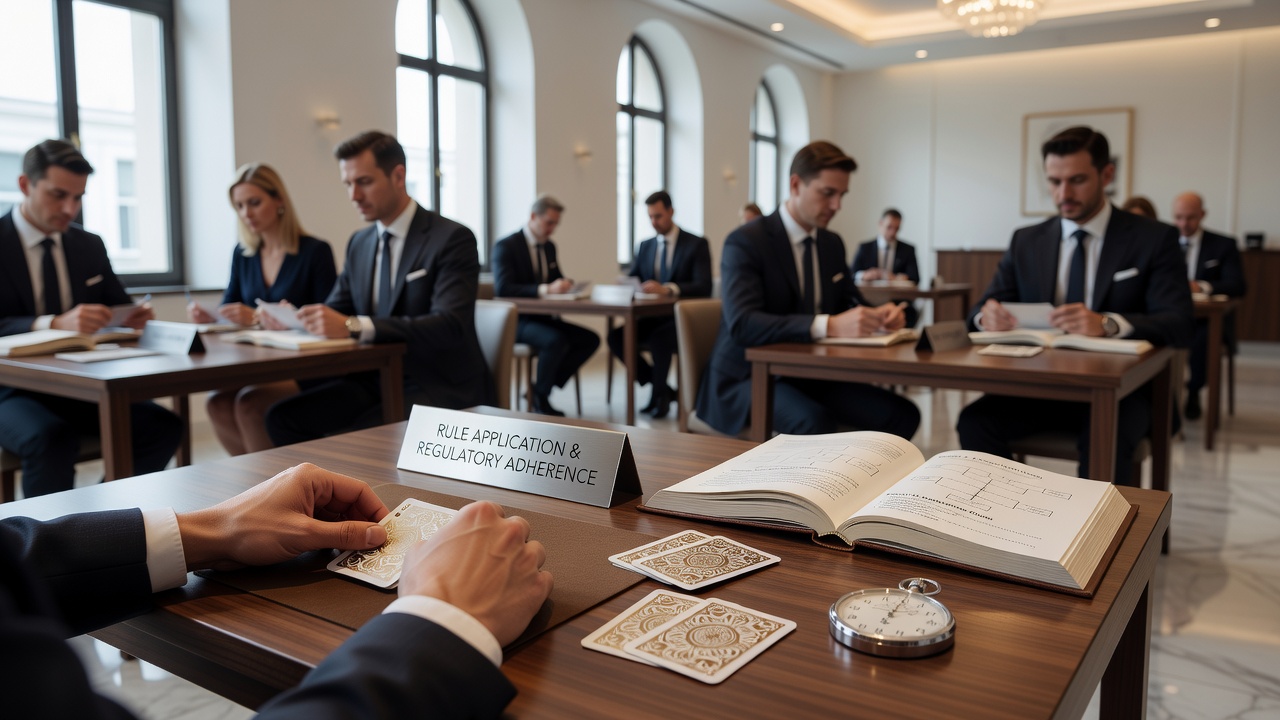
Floor supervisors in exclusive settings apply rules through immediate verbal corrections followed by written incident notes when deviations occur. Research indicates this two-step approach reduces repeat infractions while preserving game flow, since players receive clarification before penalties escalate. Multi-clause decisions often involve consulting a printed rule codex that mirrors statutory language yet includes venue-specific clarifications on betting limits and dispute resolution.
Dealers receive ongoing training modules that emphasize uniform card handling and betting sequence enforcement, with performance tracked through anonymous peer reviews. Evidence suggests clubs that rotate supervisory roles among trained staff maintain higher consistency in rule interpretation across different events.
Monitoring and Reporting Systems
Digital platforms integrated into exclusive Viennese competitions log every wager and outcome in encrypted formats that feed directly into monthly compliance summaries submitted to oversight bodies. These systems flag unusual patterns automatically, prompting human review within the same session rather than after the fact. Figures reveal that such real-time alerts have increased detection of procedural slips by measurable margins in recent reporting cycles.
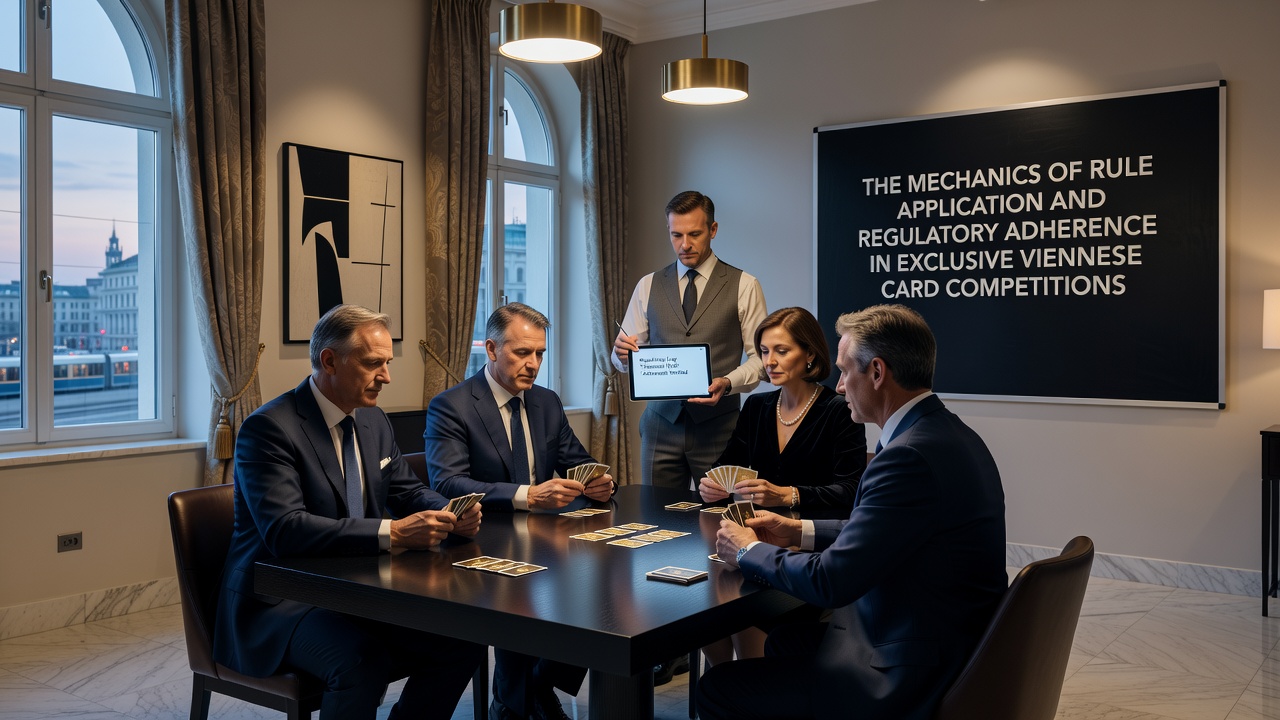
External audits occur at intervals defined by venue size and historical compliance scores, with inspectors examining both physical rule posters and electronic record integrity. One study revealed that venues combining internal spot checks with external verification experience fewer administrative corrections overall. The European Commission guidance on cross-border gaming standards further informs how Viennese operators structure their data-sharing practices with international participants.
Participant Onboarding and Ongoing Adherence
New members undergo orientation sessions that cover both statutory obligations and club-specific protocols before gaining table access. Documentation from these sessions includes signed acknowledgments of penalty structures and dispute procedures, which remain accessible during play for quick reference. Those who have completed multiple seasons report that repeated exposure to these materials reinforces consistent behavior without disrupting competitive atmosphere.
Dispute resolution follows a documented escalation path that begins with table-level clarification and moves to a designated committee if needed. Records show most matters conclude at the initial stage because clear rule citations accompany each decision, limiting the need for further review.
Conclusion
Rule application and regulatory adherence in exclusive Viennese card competitions rely on integrated legal alignment, trained personnel, and technology-supported monitoring that together sustain orderly events. Updates scheduled for September 2026 will refine existing documentation processes while preserving the core mechanisms already in place. Continued coordination between club operators and Austrian authorities supports the stability of these competitions across future cycles.