The Subtle Art of Crafting Poker Prize Pools Across Vienna's Private Gaming Circles
Geschrieben von Kai Long · 25.8.2026
The Subtle Art of Crafting Poker Prize Pools Across Vienna's Private Gaming Circles
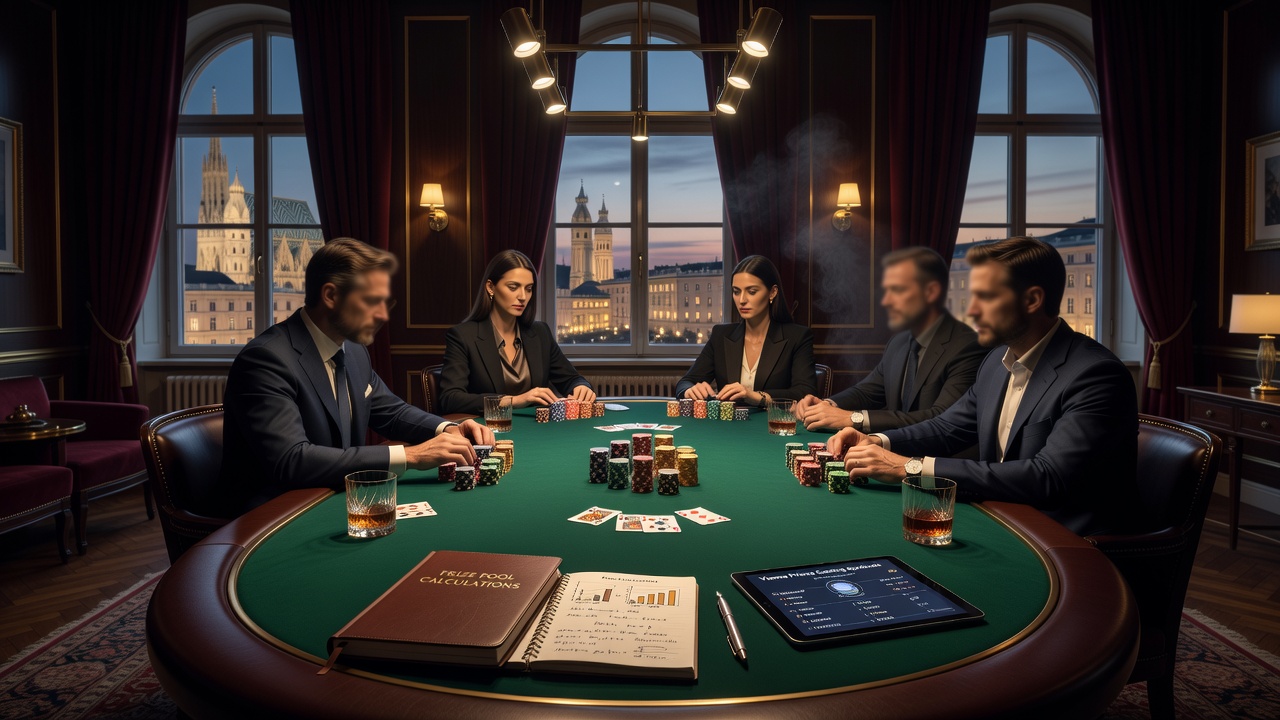
Private gaming circles in Vienna operate with distinct approaches to prize pool construction that blend local customs and player preferences while adhering to applicable Austrian frameworks. These groups typically calculate base pools from entry fees collected at registration, then layer on elements such as add-ons, rebuys, and bounty components that adjust final distributions. Observers note that many circles maintain consistent percentages where 70 to 85 percent of the collected buy-ins flow directly into the prize pool, with the remainder covering operational costs and dealer compensation.
Core Components of Pool Allocation
Entry structures vary by event scale, yet common patterns emerge across multiple documented sessions. A standard single-table sit-and-go might allocate the entire buy-in minus a fixed rake into a winner-take-most format, whereas multi-table events often split payouts across the top 15 to 20 percent of finishers. Data from European gaming reports shows that progressive payout ladders, where higher places receive larger shares, appear more frequently in circles hosting events with over 30 participants. Researchers at institutions tracking regional gaming trends have recorded instances where guaranteed minimum pools encourage broader participation during slower months.
And in August 2026 several Vienna circles plan expanded schedules that incorporate satellite qualifiers feeding into larger main events. These qualifiers feed a percentage of their collected fees into the primary pool, creating layered structures where early-stage winners carry forward value that compounds the final distribution. Circles coordinate these transfers through centralized ledgers that track contributions from each feeder event to ensure accurate accounting when the main tournament concludes.
Adjustments for Player Demographics and Event Types
Private groups frequently tailor pool mechanics to the expected player base. Circles hosting mixed-experience fields tend to incorporate bounty elements that reward eliminations separately from final standings, thereby spreading potential returns across more participants. In contrast, high-stakes regular games often favor flat payout structures that concentrate larger sums among the top three positions. Figures from industry analyses indicate that bounty-inclusive formats can increase average field sizes by 15 to 25 percent in comparable European markets.

Rebuy periods introduce another variable that circles manage through clear time windows and pricing tiers. Many groups cap the number of rebuys per player or limit the window to the first three blind levels, which prevents excessive pool inflation while still allowing participants to extend their session. Observers have documented cases where circles publish projected pool sizes in advance based on historical attendance data, then adjust guarantees upward if registration exceeds expectations by a predetermined threshold.
Documentation and Transparency Practices
Accurate record-keeping supports trust within these closed networks. Circles maintain digital or printed sheets that itemize every contribution, including add-on purchases and any house contributions to guarantees. External links to regulatory guidance from bodies such as the Canadian Gaming Association provide comparative models that some Vienna organizers reference when refining their own procedures. Similarly, reports issued by the Australian Gambling Research Centre offer data on payout equity calculations that inform local adjustments to progressive structures.
Software tools designed for tournament management automate many calculations, yet organizers still perform manual verification steps to confirm that final payouts match the advertised percentages. This dual-check approach reduces disputes when chips are counted and prizes distributed at the conclusion of play. In August 2026 several circles intend to trial updated software versions that integrate real-time pool tracking visible to all registered players through secure portals.
Seasonal Influences on Pool Design
Attendance patterns shift throughout the year, prompting circles to modify pool parameters accordingly. Summer months often see higher turnout from visiting players, which leads some groups to introduce overlay guarantees funded from prior event surpluses. Winter schedules, by comparison, sometimes reduce guaranteed amounts to reflect smaller expected fields while maintaining proportional payout ratios. Those who track participation metrics report that transparent communication about these seasonal adjustments helps sustain consistent engagement across different player cohorts.
Conclusion
Private gaming circles in Vienna continue to refine prize pool construction through iterative adjustments based on attendance records, payout data, and player feedback mechanisms. The combination of fixed percentages, optional add-ons, bounty features, and seasonal guarantees creates flexible systems that accommodate both regular participants and occasional visitors. As August 2026 approaches, these circles prepare updated structures that build on established practices while incorporating new tracking tools to maintain accuracy and transparency in every distribution.