Tracing Participant Onboarding Pathways and Fee Dynamics in Austria's Capital Card Scenes
Geschrieben von Cameron Friedrich · 27.8.2026
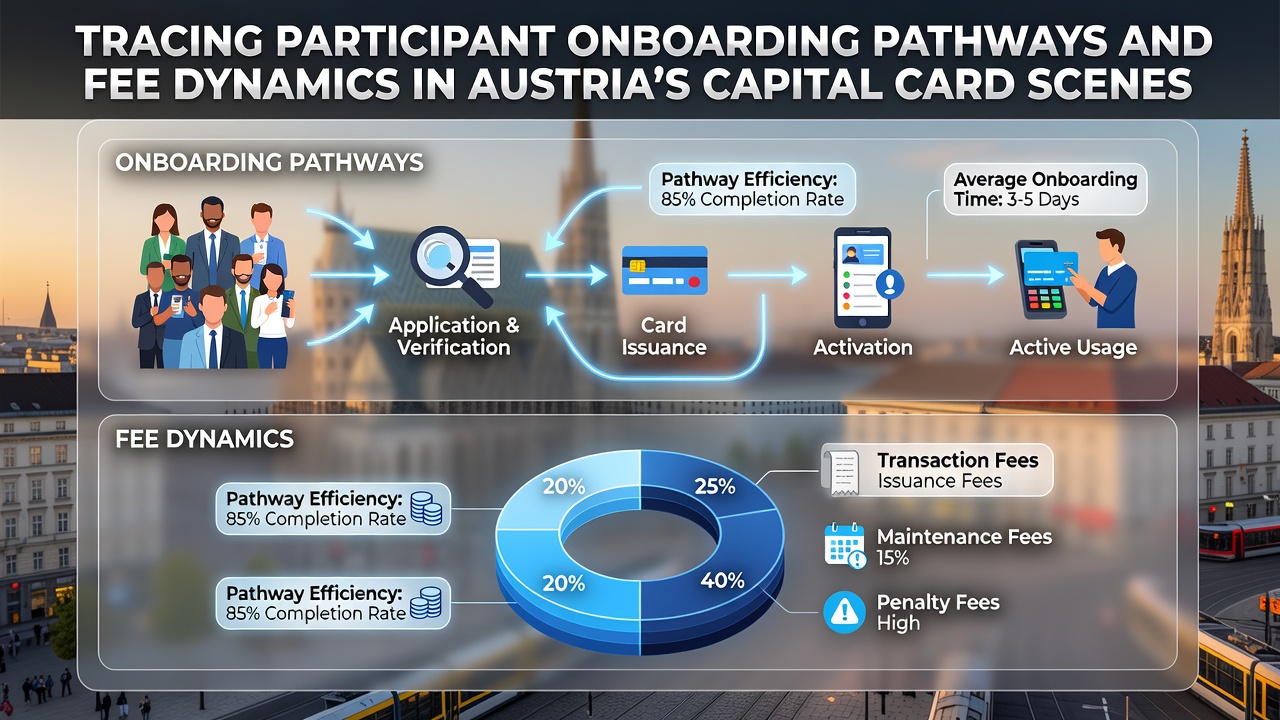
Tracing Participant Onboarding Pathways and Fee Dynamics in Austria's Capital Card Scenes
Card scenes in Vienna operate through structured yet varied pathways that guide new participants into established groups, and these routes often begin with personal referrals from current members who introduce prospects during low-stakes sessions. Research from European gaming studies shows that such introductions account for a significant portion of new entries, while digital platforms and occasional public events provide additional channels that clubs use to expand their reach without compromising group cohesion. Observers note that these methods allow organizers to screen participants informally before full integration occurs.
Pathways into Vienna Card Groups
People enter Vienna's card circles through multiple routes that emphasize trust and gradual involvement, and one common method involves attending introductory workshops hosted by existing clubs where newcomers learn basic protocols before committing to regular play. Data from industry reports indicates that partnerships with local hospitality venues also facilitate onboarding by hosting open nights that transition into private memberships once interest solidifies. Those who've tracked participation trends find that social media groups and targeted online forums serve as discovery tools, yet clubs still require direct vetting to maintain standards.
August 2026 brings scheduled adjustments in several Vienna locations where clubs plan expanded trial periods lasting up to four weeks, and these changes align with broader efforts to streamline entry processes amid shifting participation numbers. Figures from Austrian gaming oversight reveal steady growth in card activity over recent years, which prompts organizers to refine how they onboard without overwhelming existing structures.
Fee Structures and Their Variations
Fee dynamics in these scenes reflect a balance between accessibility and sustainability, with membership costs typically ranging across club types and session-based charges applied per visit depending on game format and duration. Studies from research institutions in Canada highlight how European card operations often layer annual dues atop per-game contributions, and this combination helps cover venue expenses while allowing flexibility for occasional players. Those monitoring the landscape note that smaller private circles tend toward lower entry barriers compared to larger organized venues that incorporate additional administrative layers.
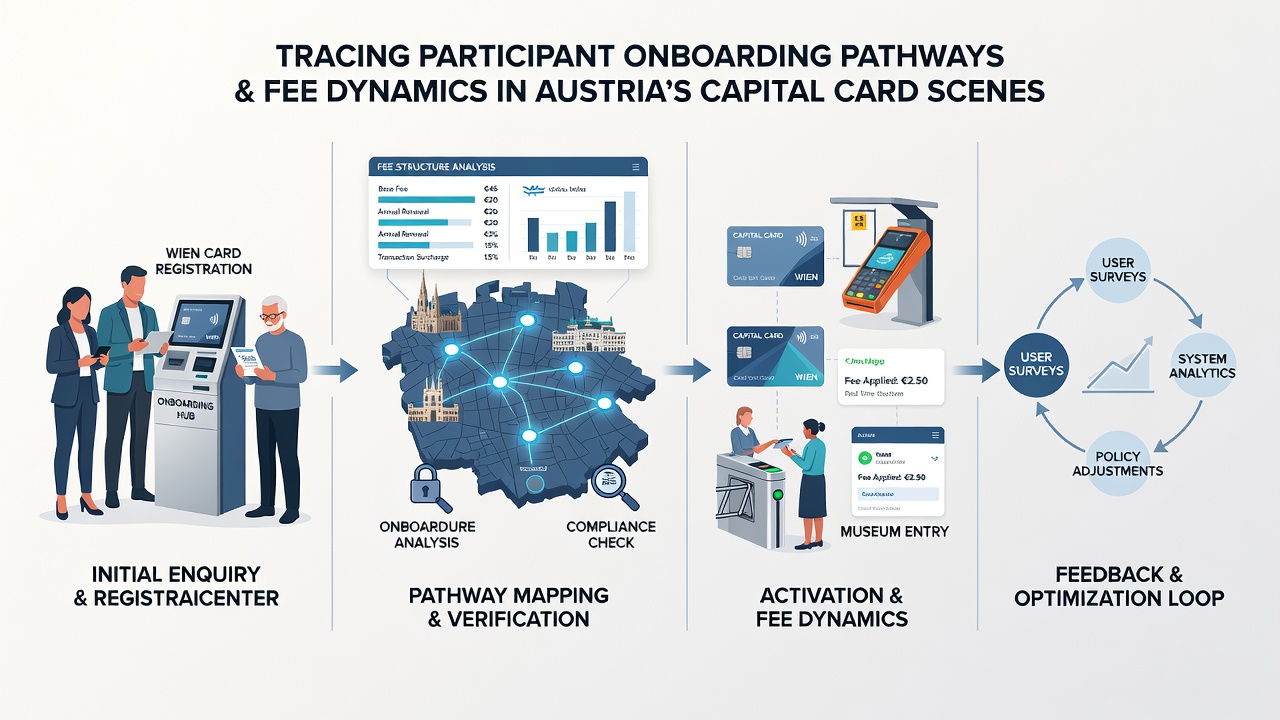
Adjustments occur periodically based on participation volume, and clubs in Vienna have documented shifts where fees decrease during slower months to encourage consistent attendance. According to data compiled by academic sources at the University of Melbourne, such responsive pricing supports retention rates across similar card communities worldwide, while fixed elements like equipment or licensing contributions remain stable. Here's where it gets interesting: variations emerge between cash-game focused groups and those emphasizing structured play, with the former often relying more on voluntary top-ups rather than set schedules.
Regulatory Context and 2026 Developments
Austrian frameworks shape how fees get collected and disclosed, requiring transparency in all participant agreements, and this influences onboarding by mandating clear explanations of costs upfront. Reports from the European Commission on recreational gaming across member states show that Vienna operations comply through standardized documentation that new entrants review during initial sessions. But here's the thing: upcoming modifications slated for August 2026 include updated reporting on fee allocations that clubs must integrate into their pathways, which could affect how prospects evaluate long-term involvement.
External factors like venue availability and economic conditions also play roles in fee adjustments, and organizers respond by offering tiered options that accommodate different commitment levels. Evidence from industry analyses confirms these adaptations help sustain activity levels even as external pressures fluctuate.
Conclusion
Participant onboarding in Vienna's card scenes combines personal networks with structured introductions that feed into fee systems designed for longevity, and ongoing refinements in August 2026 underscore the adaptive nature of these operations. Data shows that clear pathways paired with transparent costs contribute to stable participation across the capital's diverse groups, while regional comparisons from various international sources continue to inform local practices without direct replication. The interplay between entry methods and financial dynamics remains central to how these scenes evolve over time.