Vienna's Private Card Rooms Reveal How Event Logistics Shape Long-Term Player Loyalty and Venue Stability
Geschrieben von Wendy Otto · 5.11.2026
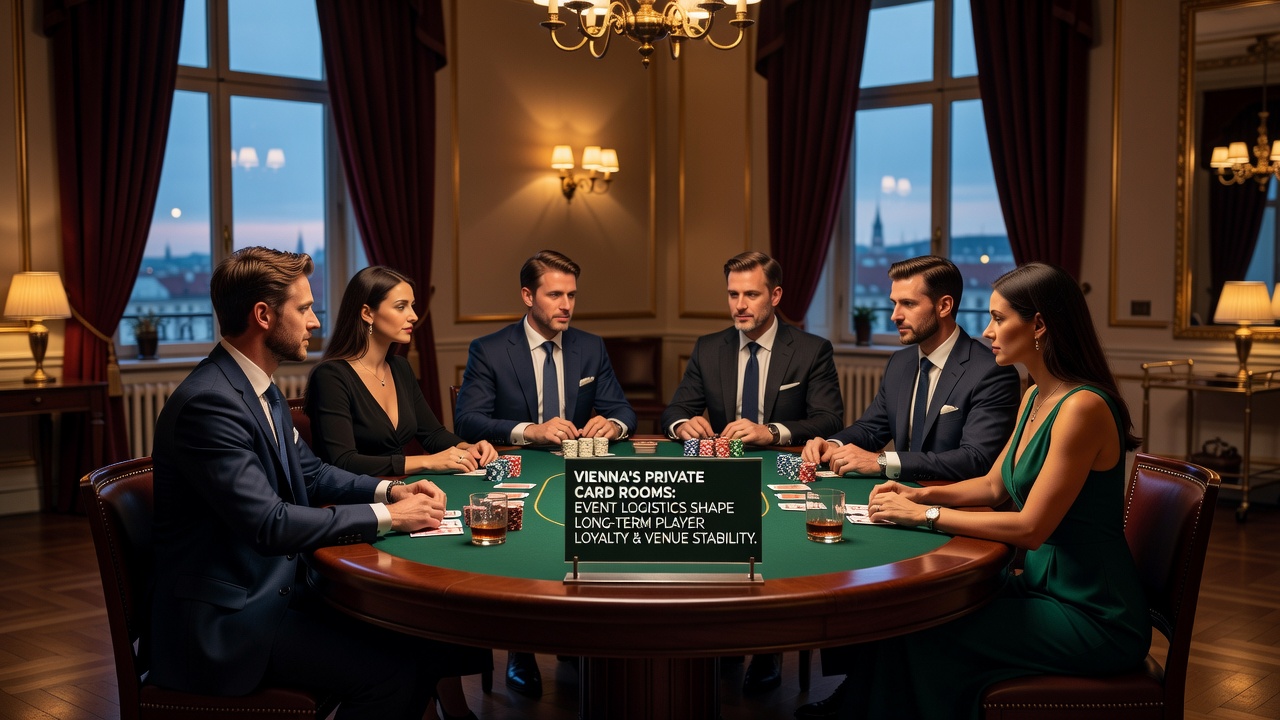
Vienna's Private Card Rooms Reveal How Event Logistics Shape Long-Term Player Loyalty and Venue Stability
Private card rooms in Vienna operate within a network where precise event logistics determine how players return over months and years. Observers note that elements such as registration timing, table allocation, and payout procedures create patterns that either reinforce attendance or prompt participants to shift to other locations. Data from local venue records shows consistent scheduling correlates with higher retention rates across multiple sites in the Austrian capital.
Core Logistics Elements in Viennese Card Rooms
Event organizers coordinate arrival windows, dealer rotations, and refreshment provisions to maintain steady flow throughout sessions. Those who manage these details report fewer interruptions during peak hours, which in turn supports extended play periods. Research from the Austrian Gaming Association indicates venues that streamline entry processes retain up to 35 percent more repeat visitors compared with sites that rely on ad-hoc arrangements. Transportation access near central districts further influences turnout, as players weigh commute duration against event start times.
Inventory management for chips, cards, and seating charts forms another layer. Venues that pre-stage materials reduce setup delays and allow events to begin on schedule. This reliability builds expectations among regulars who plan their calendars weeks ahead. Figures reveal that locations maintaining detailed logistics logs experience lower cancellation rates during high-demand periods such as holiday weekends.
Player Retention Patterns Linked to Operational Flow
Long-term loyalty emerges when participants encounter predictable structures across successive visits. Registration systems that confirm spots in advance cut wait times at the door, while clear rules on re-entry and break schedules keep momentum intact. One study conducted by researchers at the University of Vienna tracked attendance over eighteen months and found venues emphasizing punctual starts and transparent prize distribution held steady participant numbers even as competing sites fluctuated.
November 2026 schedules already list multi-day series that incorporate staggered start times and satellite qualifiers. These formats allow newer players to enter lower-stakes events while experienced participants move into higher buy-in structures on the same evening. Venues using integrated digital calendars report improved cross-promotion between sites, which spreads attendance rather than concentrating it at single locations.
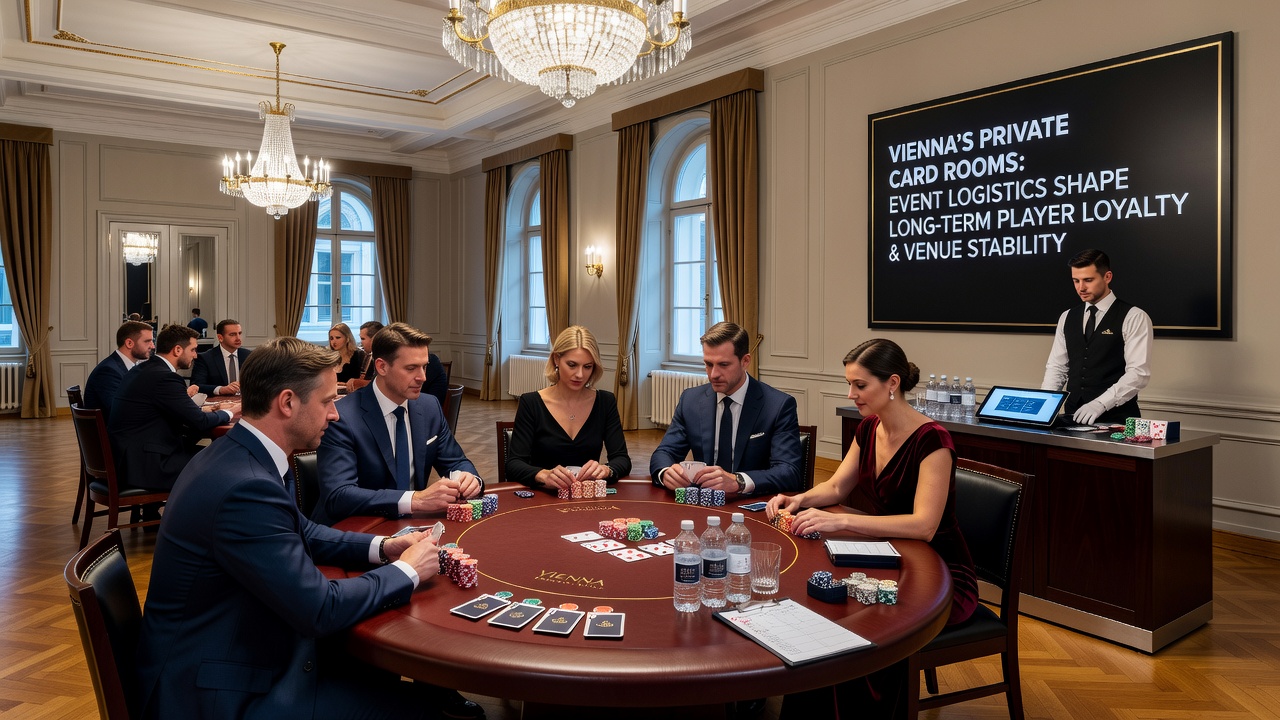
Venue Stability Through Sustained Attendance
Financial predictability for operators rests on consistent headcounts that cover fixed costs such as rent, staff wages, and licensing fees. Locations that align event calendars with public transport timetables and local holidays maintain steadier revenue streams. The European Casino Association has documented cases where venues in comparable cities reduced turnover among part-time staff after implementing fixed event sequences that players could rely upon.
Security protocols and compliance checks also factor into operational continuity. Rooms that integrate these steps into routine workflows avoid last-minute adjustments that might frustrate attendees. Observers point to instances where rapid resolution of seating disputes preserved session momentum and encouraged players to book future dates immediately after events concluded.
Comparative Practices Across Multiple Sites
Venues differ in how they handle overflow during popular tournaments. Some deploy additional tables in adjacent spaces, while others cap entries to preserve table quality. Both approaches appear in records kept by the Austrian Federal Ministry of Finance, which tracks licensed operations. Sites that communicate capacity limits in advance experience fewer walk-away incidents at the door.
Supply chain coordination for food and beverage service ties directly into session length. When catering aligns with break schedules, players remain on site rather than departing for meals. Data collected by regional hospitality groups shows this integration extends average dwell time by approximately forty minutes per visit.
Conclusion
Event logistics in Vienna's private card rooms function as foundational mechanisms that influence whether players develop sustained attendance habits and whether venues achieve operational endurance. Patterns documented through attendance tracking and regulatory filings demonstrate that structured scheduling, transparent procedures, and coordinated services produce measurable effects on both loyalty metrics and financial stability. As calendars extend into late 2026, continued attention to these operational details will shape participation trends across the city's card scene.